Getting Started
Essential Woodworking Safety Habits for Beginners
Build safe woodworking habits from day one. Covers protective gear, shop safety rules, table saw safety, and how to avoid the most common beginner mistakes.
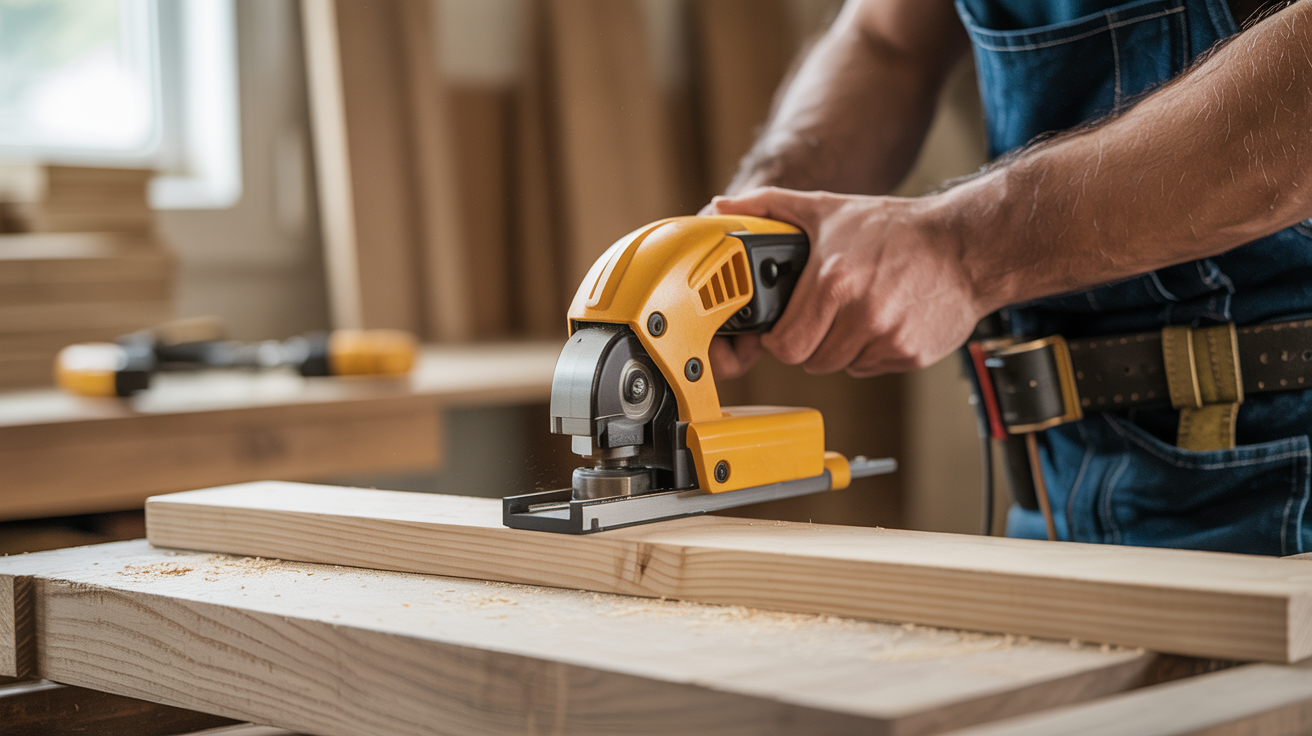
Good woodworking safety comes down to habits, not luck. Repeat the right routines every session and the odds of an injury drop dramatically.
Protective Gear Worth Wearing Every Time
Safety glasses are non-negotiable. A chip moving at speed hits before you have time to blink. Buy a pair that fits your face without fogging, and leave them on a hook right at eye level so you put them on before you touch anything else.
Hearing protection matters more than most beginners expect. A router or circular saw running for a few minutes at close range is loud enough to cause cumulative hearing damage. Foam plugs cost almost nothing and fit in a pocket. If you wear them every session, they become invisible.
A dust mask is the third piece of gear you should have on by default. Basic particle masks stop wood dust from reaching your lungs; a respirator rated N95 or higher handles finer particles from MDF, plywood, and finishing products. Wood dust, especially from certain hardwoods like walnut, cherry, and cedar, is a known respiratory irritant and long-term exposure is worth taking seriously.
Leather or cut-resistant gloves have a place in the shop for carrying lumber or handling rough-cut stock. However, keep them away from spinning blades and bits. A glove can catch on a moving cutter and pull your hand in faster than you can react. Bare hands on power tools, glasses and hearing protection on your head.
Core Shop Safety Rules to Build Into Every Session
Before You Turn Anything On
Inspect your workpiece. Loose knots, embedded nails, and checking cracks can all cause a board to behave unpredictably under a blade. Run your hand along the stock and look it over before you set up a cut.
Check your setup. Fences, guards, and hold-downs should be where you want them before the switch goes on, not adjusted mid-cut. Verify blade depth on your table saw or circular saw: the blade should only protrude enough to cut through the material, roughly a quarter inch past the bottom face of the board.
Clear your workspace. Off-cuts, clamps, and tools sitting between you and the blade are traps. A clean bench and clear floor give you room to move if something goes wrong.
While You're Working
Never reach over or behind a spinning blade to grab a cut-off piece. Let the blade stop completely first.
Keep your body out of the blade's line. Stand slightly to the side of the cut, not directly behind it. If a kickback happens (a common table saw and circular saw event), the force travels rearward along the blade's path. Being a few inches off that line can mean the difference between a scare and a serious injury.
Feed stock at a controlled pace. Forcing a blade causes burning, binding, and the conditions that lead to kickback. If the tool is working harder than usual, slow down.
If something feels wrong mid-cut, stop. Release the power, wait for the blade to stop, and then figure out what's going on. Continuing through an uncertain cut is how accidents happen.
Table Saw Safety for Beginners
The table saw does more work in a shop than almost any other tool, and it deserves specific attention. A few habits make a real difference.
Use the riving knife or splitter. Most modern table saws ship with a riving knife that sits directly behind the blade. It keeps the kerf open as the board passes through, which prevents the wood from pinching on the blade and kicking back. A lot of beginners remove it because they think it's in the way. Leave it in place.
Use a push stick for narrow rips. Any time your fence is set less than about 6 inches from the blade, your hand is too close to the cutting line. A push stick keeps your fingers behind the blade's path and gives you enough control to finish the cut safely. A simple push stick takes about five minutes to make from scrap.
Let the offcut fall freely. When the cut is finished, the piece between the blade and the fence is the rip piece you want. The offcut on the other side should have room to move away from the blade. If it gets trapped between the blade and a surface, it can kick. Don't crowd the outfeed side.
Never freehand a cut against the rip fence. Always use either the fence OR the miter gauge to guide a board, not both at once. Using both simultaneously locks the board in a position where binding is almost guaranteed.
For more on tool selection and what you'll want in your shop before you get to this point, see The Beginner Woodworking Tool Kit Worth Buying First.
Hand Tool Safety
Hand tools move slower than power tools, but they still cut. Chisels, carving tools, and hand saws cause a significant share of hobby woodworking injuries, mostly because people treat them as low-stakes.
Always cut away from your body. This applies to chisels, spokeshaves, draw knives, and any other edge tool you hold in your hands. If the tool slips, it should travel into the workpiece or into the air in front of it, not toward your fingers or body.
Clamp your work. Trying to hold a workpiece with one hand while you cut with the other is how you end up pushing a chisel across your palm. A clamp or vise holds the wood so both hands can control the tool.
Keep edges sharp. A dull blade requires more force, which means less control when the tool breaks through. A sharp chisel removes material with light pressure and goes exactly where you direct it. Sharpening tools is one of the first practical skills worth learning. How to get started covers this alongside other fundamentals.
Store edges safely. Chisels lying loose on a bench will eventually roll off or get grabbed blindly. A chisel roll or a simple rack on the wall keeps the edges covered and your hands safe when reaching for tools.
Setting Up Your Shop to Work Safely
The physical space you work in shapes how safely you can work. A cramped shop with poor lighting and tangled cords sets you up for problems before you've cut anything.
Good lighting is basic but important. You need to see your cut line, your blade, and your hands clearly. If you're squinting or casting shadows over your workpiece, add a work light.
A clear path around your machines lets you step back without tripping. Cord management matters here: power tool cords that run across the floor are a trip hazard. Route cords up and behind machines where possible.
Keep a fire extinguisher in the shop. Finish products, solvents, and sawdust are all flammable. A small ABC extinguisher mounted near the door is cheap insurance.
For a practical guide to organizing a small home shop around these principles, see How to Set Up a Small Garage Workshop.
| Safety Item | Why It Matters | Cost Range |
|---|---|---|
| Safety glasses | Flying chips, splinters, sawdust | $10-$30 |
| Foam earplugs or earmuffs | Hearing damage from power tools | $5-$50 |
| N95 or better dust mask | Wood dust and finish fumes | $15-$40 |
| Push stick | Keeps hands away from table saw blade | $5 or free from scrap |
| Fire extinguisher (ABC) | Dust and finish flammability | $25-$60 |
Frequently Asked Questions
Do I really need safety glasses if I'm only using hand tools?
Yes. Hand planes, chisels, and card scrapers all throw small chips. A chisel that catches a knot can send a fragment toward your face faster than a power tool in some cases. The habit is more important than the specific risk level of any one tool.
What causes table saw kickback and how do I avoid it?
Kickback happens when the wood pinches on the blade, usually because the kerf closes behind the blade or because the board twists during the cut. The three main preventions are: use the riving knife, never stand directly behind the blade's path, and don't use both the rip fence and the miter gauge simultaneously.
Is woodworking dust actually dangerous?
Yes, over the long term. Fine dust from any species can irritate the airways. Certain hardwoods (walnut, western red cedar, some exotics) are sensitizers that can cause allergic reactions after repeated exposure. MDF and plywood dust carries formaldehyde from the binders. Good ventilation and a proper mask address both problems.
Can I work in the shop alone?
Most hobby woodworkers work alone most of the time. The practical precaution is to let someone know you're in the shop, keep your phone within reach, and be more conservative about cuts when no one else is around. Avoid operations you're unsure about until you've had a chance to practice them with supervision or in a class setting.
How long should I wait before handling a freshly cut board near the blade?
Wait for the blade to come to a complete stop before reaching near it. Coasting blades look stopped but aren't. Most table saw blades take 10 to 15 seconds to fully stop after the switch is off. Get in the habit of waiting until you hear and see nothing moving.